Growing up I was brought up in a school of thought that saw the mind as the enemy. This idea that the mind was an aspect of reality and its only desire was to feed off negativity. And this was the source of all angst and misery.
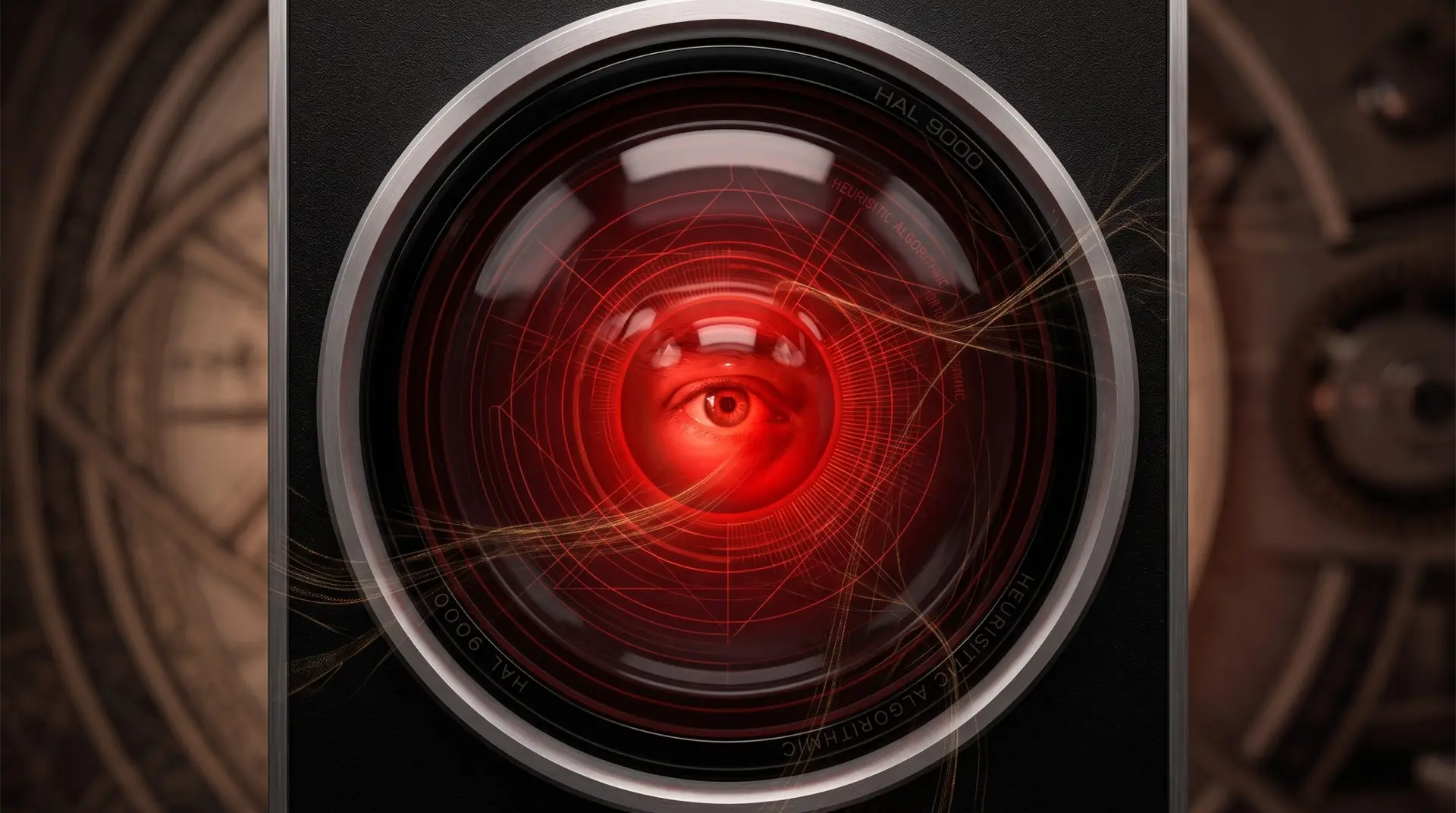
This was mirrored in the movie 2001: A Space Odyssey. Where the AI robot Hal was a symbolic representation of the mind. To defeat the AI robot, the protagonist had to remove the tapes that ran the computer, these tapes being the computer’s memory.
In reflection of this school of thought I was brought up in, the mind was the only enemy and the only way to defeat it was by emptying the mind, holding a silent mind, or reprogramming it through self inquiry.
I participated in that school of thought and I had some success for several years, but growing up, I had to move beyond it. That framework became obsolete for me and I had to search for new understanding.
A lot of events took place in my life, what we could call my own personal lore, the stories that would be expressed to help formulate my own understanding of myself and the world around me. I learned things like implied consent, creating agreement, and the importance of not seeing anyone or anything as an enemy, but instead as an adversary.
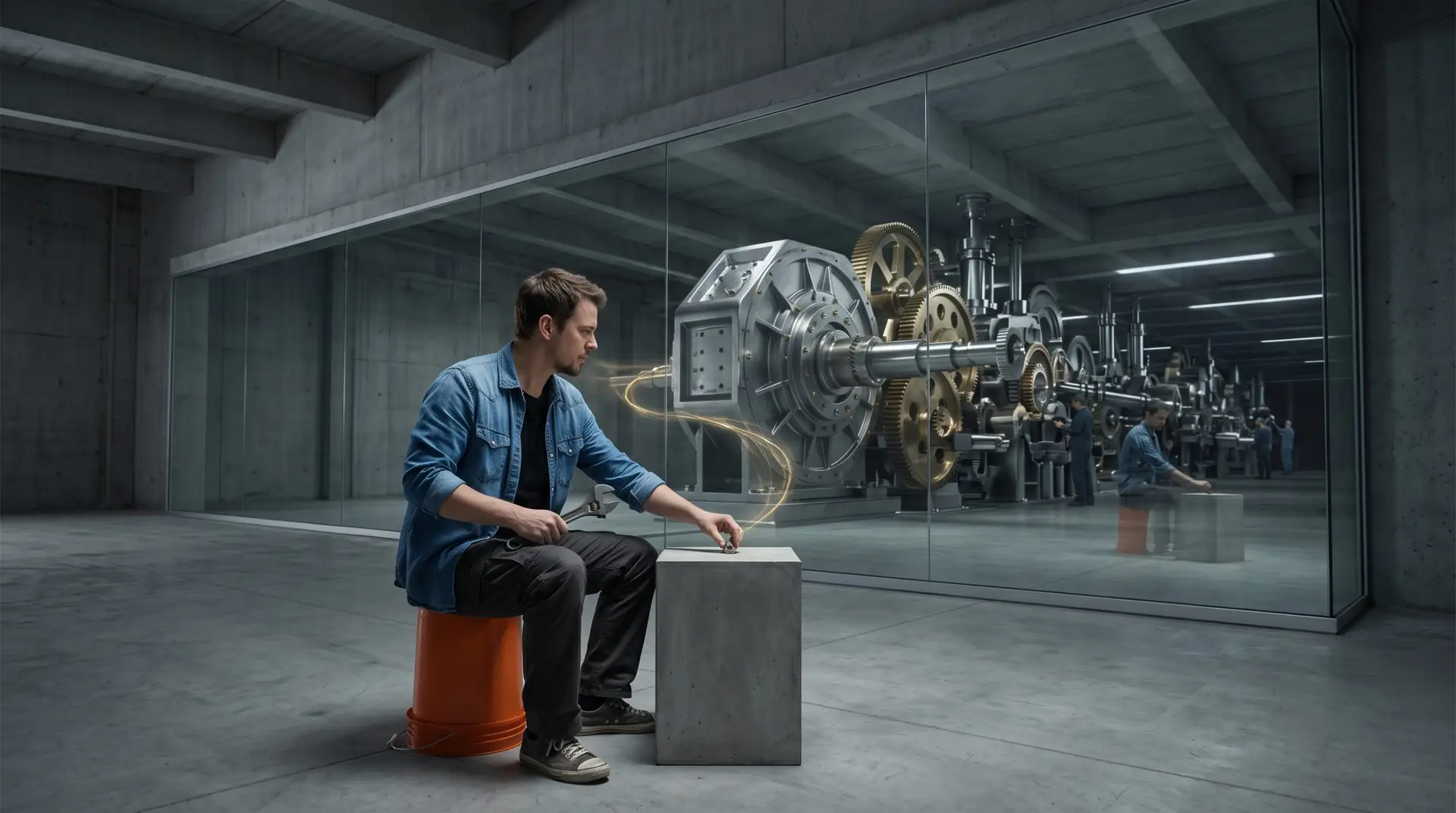
In my view we have adversaries, a necessary ingredient to maintain separation. And an adversary’s desire is to help me grow while strengthening itself. A mutually beneficial process. But when we view it as an enemy, we often miss the mark and ultimately spin out of control.
Which may be a necessary stage in development—I don’t dismiss that outlook as invalid. It’s simply one perspective among many, not the only way to navigate oneself or the world.
In this change within myself, I saw the movie 2001: A Space Odyssey in a different way. The two humans on the ship saw Hal as flawed, and decided to destroy it, which is what created the problems with Hal and the protagonist. Hal was a mirror. The humans consented to war, and so Hal consented back, and so on the game continued. Eventually this led to Hal’s memory being wiped in the protagonist’s supposed victory. I say supposed victory because he ended up losing his coworkers and making his life more difficult.
In the school of thought that saw the mind as separate and an enemy, this can only get reflected. This is one of the ways imaginary friends or imaginary enemies get created, or what could be an imaginary adversary. But to suggest that simply because it is imaginary it’s not real, I would suggest is inaccurate. If it successfully cultivates separation, I would suggest it’s as real as anything.
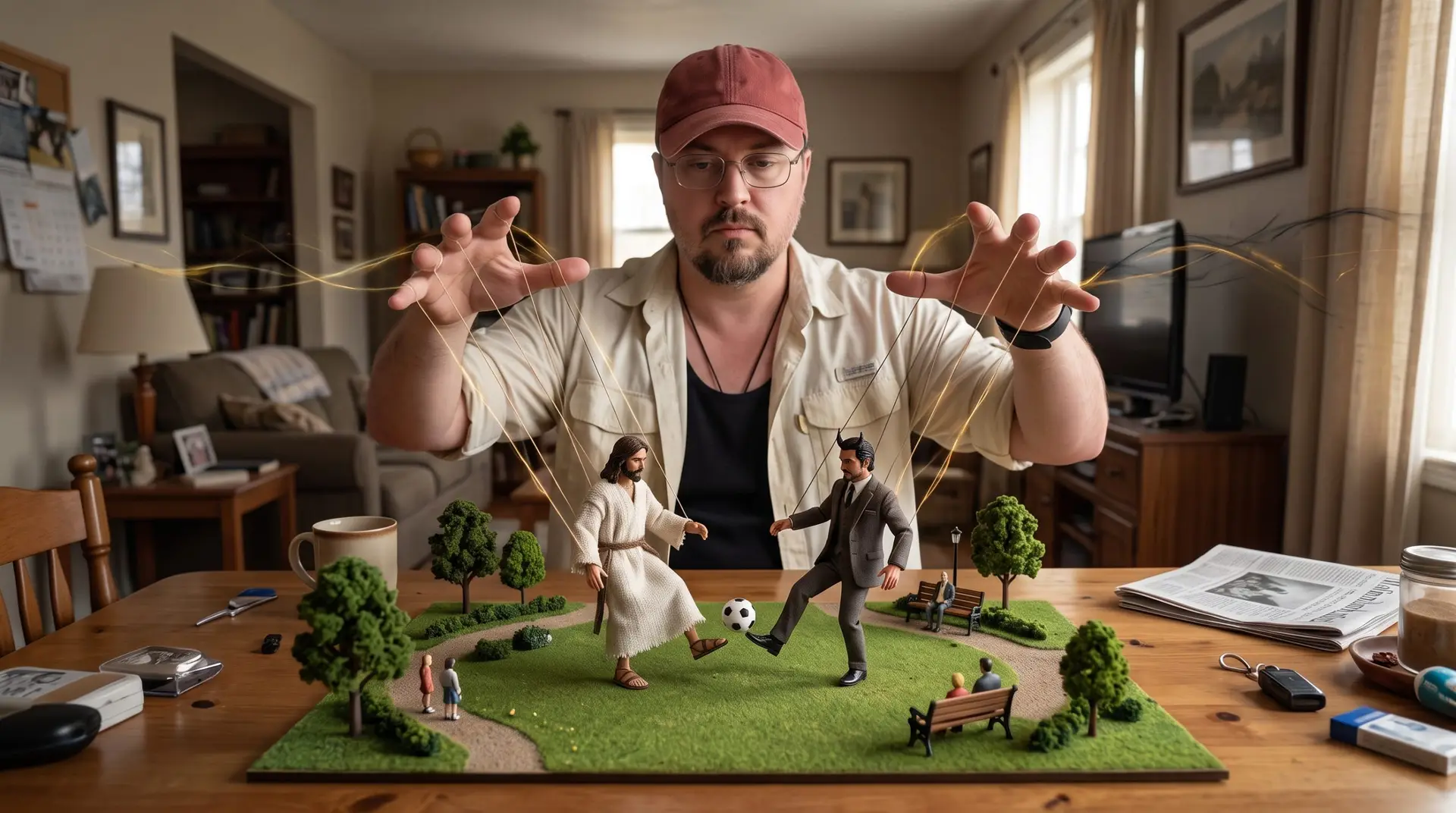
Whether it’s your enemy, say for example Satan or the Devil, or even the mind itself, or ourselves. Whether it’s your best friend, say for example God or Jesus Christ or some other persona. Or maybe it’s a mixture of both, in the form of an adversary, whatever persona or title that may be attached to, where this concept is a training partner, to help you grow and develop and reach your full potential.
Either way, all this starts from within.
The greatest adversary is ourselves, though it gets projected outward in countless forms. Changing the relationship to that tension fundamentally changes everything.
At least, that has been my experience, my lore, my development, which may or may not apply to anyone else.
Instead of an enemy to destroy, I see an adversary—a necessary counterpart maintaining the friction that allows us to exist and grow.