I remember when I was 16, I was trying to figure out the whole dating thing. I asked a woman I worked with, she was older than me and figured she could help. She said, whatever you do, just be yourself. I was very taken aback and I couldn’t help but ask “Be myself? What does that even mean?” She couldn’t help me with that, but that whole scenario stuck with me.
And I speculate that others might be struggling with this too, so I’m going to share my perspective, what helped me deal with this.
From my perspective it is impossible to know one’s self. As it has been said, “know thyself”, this is an impossibility. The self is infinite and constantly changing. The self is not static, it cannot be defined. Maybe contained by strong beliefs, boundaries of the ego, but eventually those limitations will be transcended, then the ego, the self-image, is redefined once again, starting the whole process over again. Questioning “Who am I?”
Instead, I find it more practical, more possible, to simply know one’s intention, one’s goal. We all can use our imagination and come up with an intention, a goal to aspire towards. Then it is simply a matter of can one be congruent within ourselves towards that intention.
I had a teacher in my early 20’s who said “If you would just be it instead of trying to become it, you would be amazed at how fast you get there.”
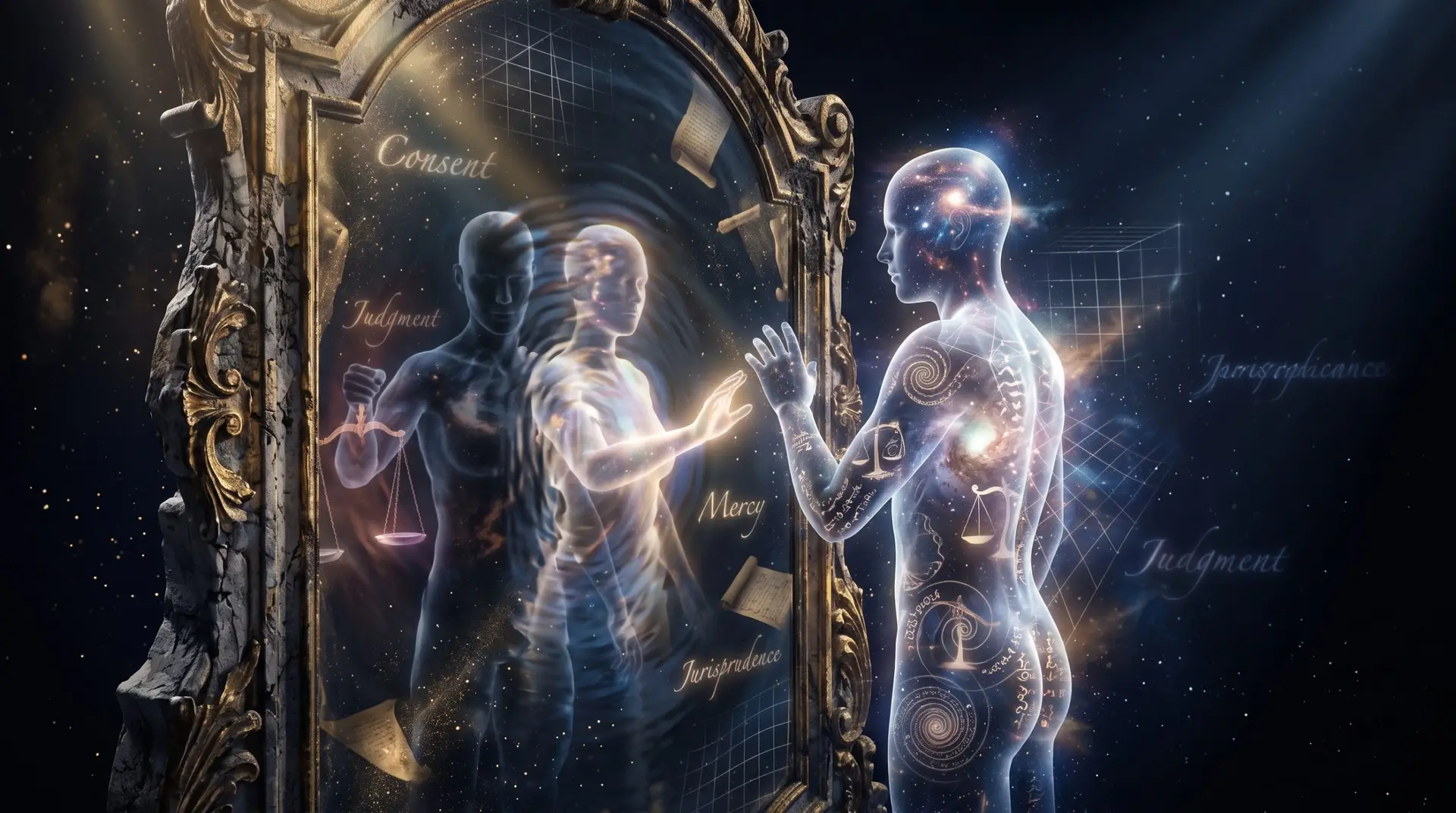
I really ran with this idea and it was kind of one of the core foundations to my philosophy on life. I eventually expanded on it by the concept of “Implied Consent”.
If we can define our goal, our intention, then we can use our imagination to plug in the parts of our behavior, how we operate, to be in alignment with that intention. This is implied consent.
How should I dress? How should I communicate? What kind of things should I be interested in? How should I emotionally react to external stimuli? What kind of food should I eat? What should I pursue?
And there are different ways to interpret implied consent and how one comes to these conclusions.
Implied consent is an unspoken agreement, evidence shown through actions, emotions, thoughts, and what have you. That agreement can be between the world itself, other people, or it could be their agreement with reality itself, think god. How one interprets implied consent is a process within itself, and is ever evolving, just like the identity.
We simply can’t know ourselves, it’s too vast, it’s too nebulous, it’s too impossible. But we can have an idea of what our intention is in this life, what our goal is, at least what it is currently. Though that intention and goal will surely change over time, we can at least define it in the present moment.
If we can then live in accordance with that intention, to be congruent with that intention, we can then have some resemblance of this idea of being ourselves, being true to ourselves.
So for those struggling with this concept of just being yourself. My way, my answer, is to simply analyze my thoughts, my emotions, and my behaviors and ask, is it in congruence with who I want to be, my intention, my desire, my goal.
Implied consent holds the key to being one’s self. What are we consenting to in our everyday life and communication? And is that in alignment with what we wish to be?